

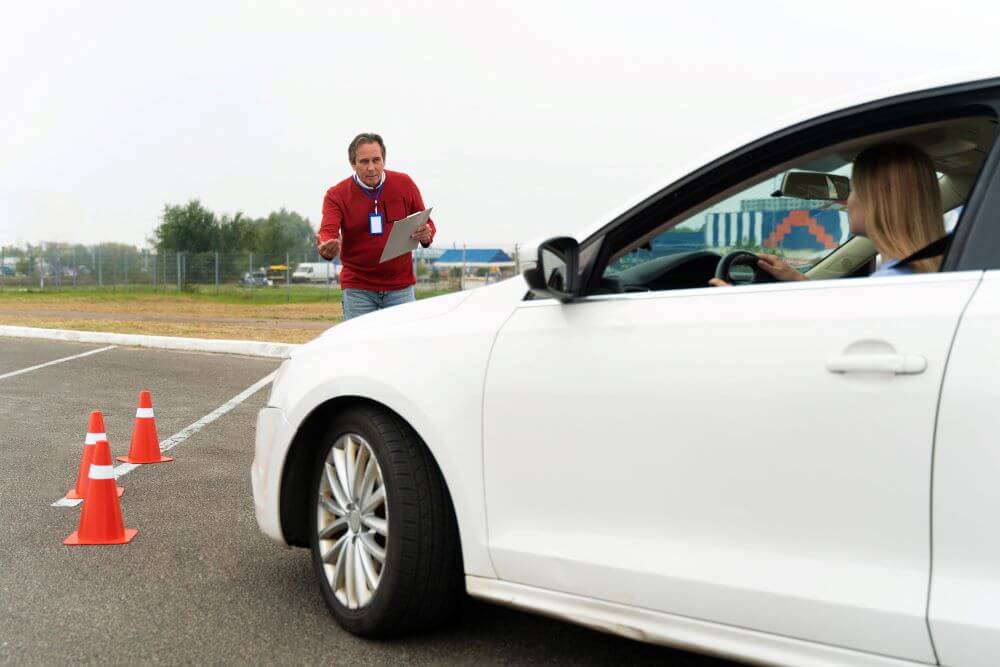
Every time drivers take to the road, they are participating in an activity that, while essential, carries a level of risk. Traffic accidents consistently rank among the leading causes of injury and fatality worldwide. Fortunately, most accidents are preventable by making safety a top priority.
In the aftermath of an accident, knowing what steps to take and where to seek support matters. If you need legal guidance or support after a car crash, working with an auto accident lawyer in Memphis, TN can be invaluable. They help protect your rights, and you receive fair compensation for accidents.
Common Causes of Car Accidents
- Speeding or aggressive driving
- Impaired driving (alcohol, drugs, fatigue)
- Distracted driving (phones, eating, passengers)
- Poor weather conditions
- Failure to follow traffic laws
Many collisions can be traced to common and preventable behaviors behind the wheel. Speeding is a major factor, drastically reducing the time you must react to unexpected situations. Impaired driving, whether due to alcohol, drugs, or fatigue, significantly alters response time and judgment. Distracted driving—often caused by mobile devices, eating, or even conversing with passengers—ranks among the most frequent contributors to crashes.
Adopting Safe Driving Habits
Strong driving habits are crucial for accident prevention, regardless of driving experience. Defensive driving is the foundation: always stay alert, anticipate the unexpected, and keep a safe distance from the car ahead. Proactively using mirrors and signals ensures others on the road can anticipate your actions. Adjusting your speed for conditions—especially in adverse weather—minimizes risks. These practices, though simple, are effective safety measures that anyone can apply.
How Distraction Impacts Accident Risk
Distracted driving has become one of the top hazards on modern roadways. According to the Centers for Disease Control and Prevention, over 3,000 lives are lost annually in the United States alone as a result of distracted driving. Multitasking behind the wheel using your phone, adjusting navigation, or even eating for just a few moments can have devastating consequences. Minimizing phone use and setting vehicle controls before driving are recommended ways to keep your attention where it belongs—on the road.
Technology and Vehicle Safety
As vehicle technology advances, drivers can access more features to enhance safety. Systems like lane departure warnings, backup cameras, and automatic emergency braking offer valuable assistance in critical moments. Despite these innovations, it is important not to become reliant on technology to the exclusion of personal vigilance. Understanding how your vehicle’s systems work and their limitations is vital for maximizing safety benefits.
Simple Steps You Can Take Today
- Always wear your seatbelt, and ensure all passengers are buckled up before driving.
- Follow posted speed limits, even when roads appear empty.
- Perform regular mirror and blind spot checks before lane changes or merging onto highways.
- Pre-plan your route and limit distractions before leaving on your journey to maintain full focus on the road.
- Remain aware of other drivers’ behavior and be prepared to react defensively if necessary.
Implementing these habits can drastically lower your risk of being involved in a crash and contribute to a safer driving culture.
What to Do After a Minor Accident
Even highly skilled drivers may occasionally encounter fender benders or minor accidents. Knowing what to do immediately after an incident can make all the difference. First, check for injuries and move vehicles to the side of the road if possible. Call authorities if needed and exchange insurance and contact information with the other driver. Take photos and notes to document the scene, which will be valuable for insurance claims or legal actions.
Staying Safe Starts With You
Safe driving is a shared responsibility that blends awareness, discipline, and the smart use of technology. While advanced safety features can reduce risks, they cannot replace drivers’ vigilance and good judgment. By understanding accident causes, adopting defensive habits, and committing to small but meaningful changes—like reducing distractions and respecting speed limits—you contribute to your own safety and the well-being of everyone on the road.