

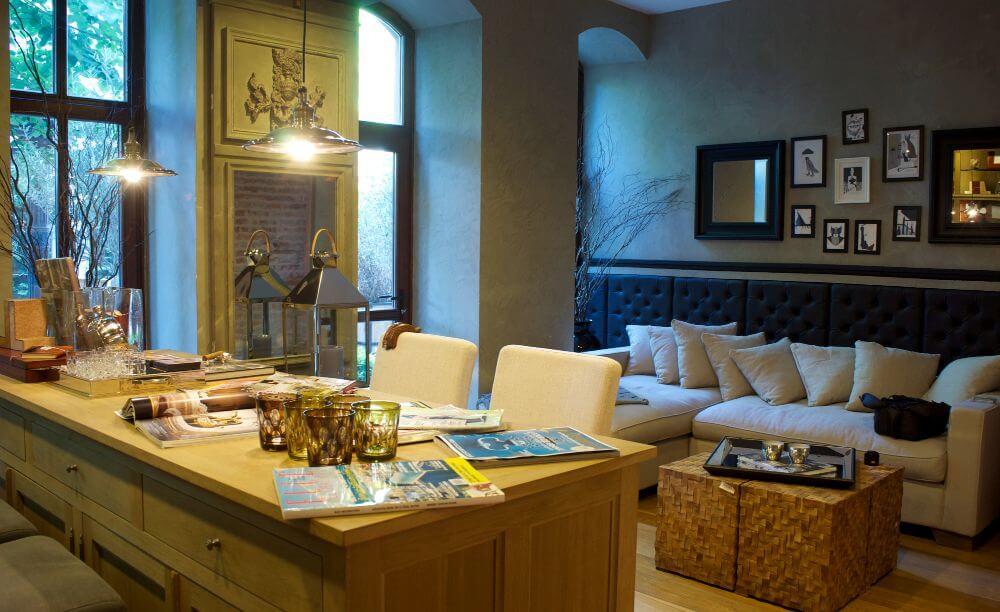
Home furniture in 2026 is all about comfort, balance, and personal style. Instead of filling rooms with heavy pieces, homeowners are now choosing furniture that supports daily life and creates a relaxed mood. A living space feels more inviting when each item has a purpose and fits naturally into the layout. A well-placed chaise lounge in a Perth home can turn an open area into a quiet spot for rest without changing the overall flow of the room. Selecting the right furniture is not about following rules but about choosing pieces that feel right for your space and lifestyle. This guide explains how to choose home furniture that matches modern design ideas while keeping your home calm, practical, and welcoming.
Understanding Furniture by Its Purpose
Seating Furniture
Seating plays a central role in every home. Sofas, armchairs, and modular lounges should offer comfort while supporting good posture. Before choosing seating, think about how the space is used. A living room meant for relaxing needs soft cushions and supportive backs, while a reading corner may need a firm chair with good arm support.
The shape of the seating also matters. Clean lines help rooms feel open, while soft curves add warmth. Choosing seating that fits the room size keeps the area balanced and easy to move around.
Furniture for Rest and Sleep
Beds are one of the most important furniture pieces in a home. A good bed supports restful sleep and helps the room feel calm. The frame should feel solid, and the mattress should suit personal comfort needs.
When creating a new bedroom or refreshing an existing space, choosing budget-friendly bed options like cheap beds for a Perth bedroom can offer both comfort and practicality without making the room feel crowded. Simple bed designs help maintain an open layout and support a calm, restful atmosphere.
Tables for Daily Use
Tables are used for many activities, from meals to work and relaxation. Extendable dining tables bring people together, while coffee tables complete seating areas. Side tables add convenience without taking up much space.
When choosing tables, consider height, shape, and surface space. Round tables work well in smaller rooms, while rectangular tables suit longer spaces. A table that fits the room naturally helps maintain balance.
Storage Furniture
Storage furniture helps keep the home organised and calm. Cabinets, shelves, and drawers reduce clutter and make daily routines easier. Closed storage keeps items out of sight, while open shelving works well for frequently used items.
A good bed with built-in storage blends into the room rather than standing out. Simple designs help maintain a clean and relaxed look.
Matching Furniture with Your Style
Furniture should reflect personal taste while keeping the home comfortable. Some homes lean towards simple and modern styles with soft colours and clean shapes. Others prefer classic looks with rich tones and detailed designs.
Mixing styles carefully can create a unique look. The key is balance. Keeping colours or materials consistent helps different pieces work together without feeling mismatched.
Important Things to Consider Before Buying Furniture:
Room Size and Layout
Measuring the room before buying furniture prevents common problems. Knowing wall lengths, ceiling height, and door space helps avoid overcrowding. Planning furniture placement on paper or digitally can make the process easier.
Furniture that fits the room well allows for smooth movement and better use of space.
Comfort and Everyday Use
Furniture should feel good to use every day. Sitting, lying down, and reaching storage should feel natural. Testing furniture when possible helps ensure it meets comfort needs.
Choosing fabrics and finishes that suit daily life also matters. Some materials handle regular use better and stay looking good longer.
Quality and Build
Well-made furniture lasts longer and feels more stable. Strong joints, smooth finishes, and sturdy frames are signs of good quality. Investing in reliable furniture helps create a home that feels settled and dependable.
Furniture Trends Shaping 2026 Homes:
Soft Shapes and Gentle Curves
Furniture with rounded edges and flowing shapes is becoming more popular. These designs soften rooms and create a welcoming feel. Curved sofas, rounded tables, and smooth chairs add comfort without overwhelming the space.
Textured Fabrics
Textured fabrics add warmth and depth. Soft upholstery makes seating more inviting and helps rooms feel relaxed. Neutral colours with gentle texture work well with different styles.
Multi-Purpose Furniture
Furniture that serves more than one purpose is ideal for modern homes. Storage beds, sofa beds, and extendable dining tables help save space and improve function. These pieces are especially helpful in smaller homes or shared rooms.
Calm Colour Palettes
Neutral and earthy colours continue to lead furniture trends. These shades create a peaceful background and make it easy to mix different pieces. Soft tones help rooms feel balanced and timeless.
Conclusion
Selecting home furniture that reflects 2026 design ideas is about comfort, balance, and thoughtful choices. By focusing on purpose, material, size, and simple style, it becomes easier to create a home that feels calm and practical. Furniture that fits naturally into daily life supports relaxation and ease. With careful planning and clear priorities, every room can feel welcoming, functional, and ready for everyday living.