
Working with forklifts always carries some risk, and when an accident occurs, figuring out who is responsible isn’t always straightforward. Many assume the operator is automatically to blame, but that’s not always the case.
When You’re Behind the Wheel
If you’re driving a forklift and you mess up—maybe you’re going too fast, texting while driving, or even had a few beers at lunch—you’ll probably be the one facing responsibility in a forklift accident. That could mean personal lawsuits, criminal charges, or other serious consequences. It’s not pretty.
Most of the time, your employer has your back through workers’ compensation insurance. The catch? That protection disappears if you’re doing something reckless or far outside your work duties. So, don’t push those limits.
What Your Employer Owes You
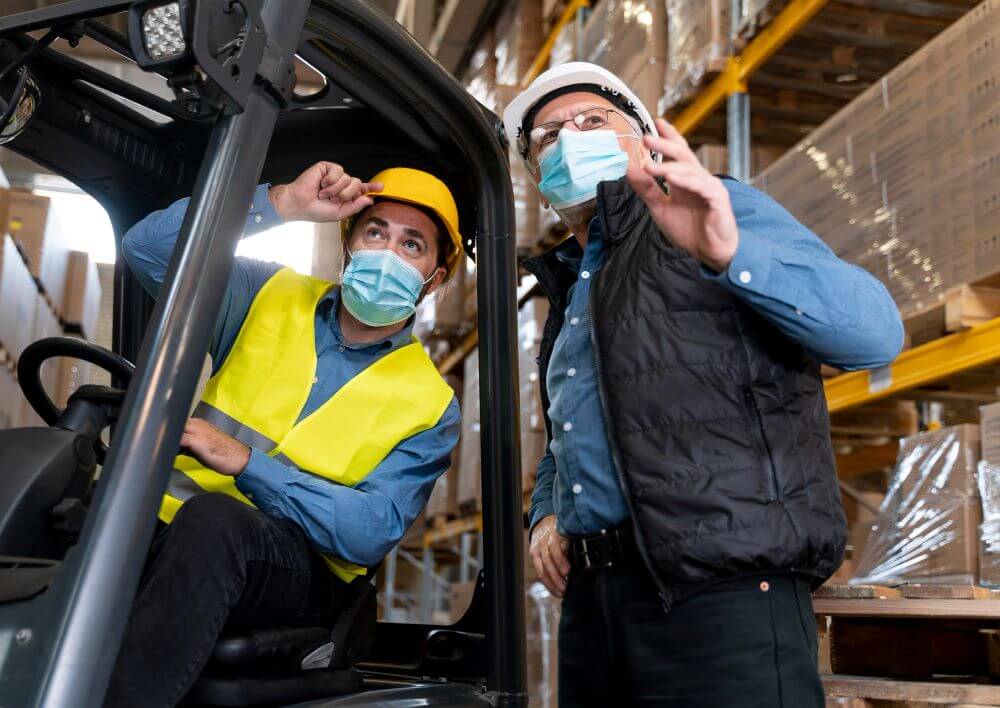
Your employer can’t just hand you the keys to a forklift and say, “Figure it out.” They have legal obligations: proper training, well-maintained equipment, and clear safety rules—all of that is their responsibility. When companies try to cut corners by skipping these basics, they set themselves up for major legal trouble. According to OSHA forklift safety standards, employers are required to provide adequate training and safe equipment for workers.
There have even been cases where workers got hurt after receiving only a couple of hours of so-called “training.” Guess who ended up paying the big settlement? Not the worker.
Semi Trucks Make Things More Complicated
Here’s something people don’t always think about: sometimes it’s the truck driver who’s at fault, not the forklift operator. Loading docks are hectic places, and when a semi driver backs up without looking or parks crooked, accidents happen.
Truck drivers have their own rules to follow:
-
Back up slowly and carefully
-
Communicate with dock workers (it’s not optional)
-
Park and position properly
-
Never assume the coast is clear
When they fail to follow these rules, their company’s insurance usually covers the damages. You might be the one who gets hurt, but the liability often falls elsewhere.
Other Players in the Mix
It doesn’t stop there. Equipment manufacturers, maintenance crews, or outside contractors can also share the blame. Maybe your forklift’s steering fails due to a factory defect. Maybe a maintenance worker forgot to tighten something important last week.
This is why accident investigations take so long—everyone points fingers, and sometimes multiple parties really are at fault.
Cover Your Bases (For Workers and Employers)
Here’s the best advice: document everything. Training records, maintenance logs, and safety meetings all matter when lawyers get involved.
If you’re operating equipment, attend those safety meetings and follow the rules, even when no one’s watching. If you’re running a company, don’t cut costs on safety programs. The money you think you’re saving today could cost you ten times more in lawsuits tomorrow.
The Bottom Line
A forklift accident can have devastating consequences, from serious injuries to financial losses that can put a company out of business. In reality, responsibility may fall on the operator, the employer, or even a truck driver who failed to pay attention.
Your best bet? Take workplace safety seriously from day one. Follow the rules, maintain your equipment, and document everything. When everyone does their job properly, accidents are far less likely. And if they do happen, you’ll have a much better chance of handling forklift accident liability on the legal side.
Accidents are expensive and dangerous for everyone involved. A little prevention goes a long way in keeping yourself out of court.